

Cigar Houses
AJ Fernández: The Pinar del Río Roller Who Makes Cigars for Half the World
The grandson of Cuban tobacco men, he came to Nicaragua in the mid-1990s, started with six rollers in Estelí, and today makes his own cigars and some of the most famous on the market.
Logos belong to their brands and appear here only to identify them.
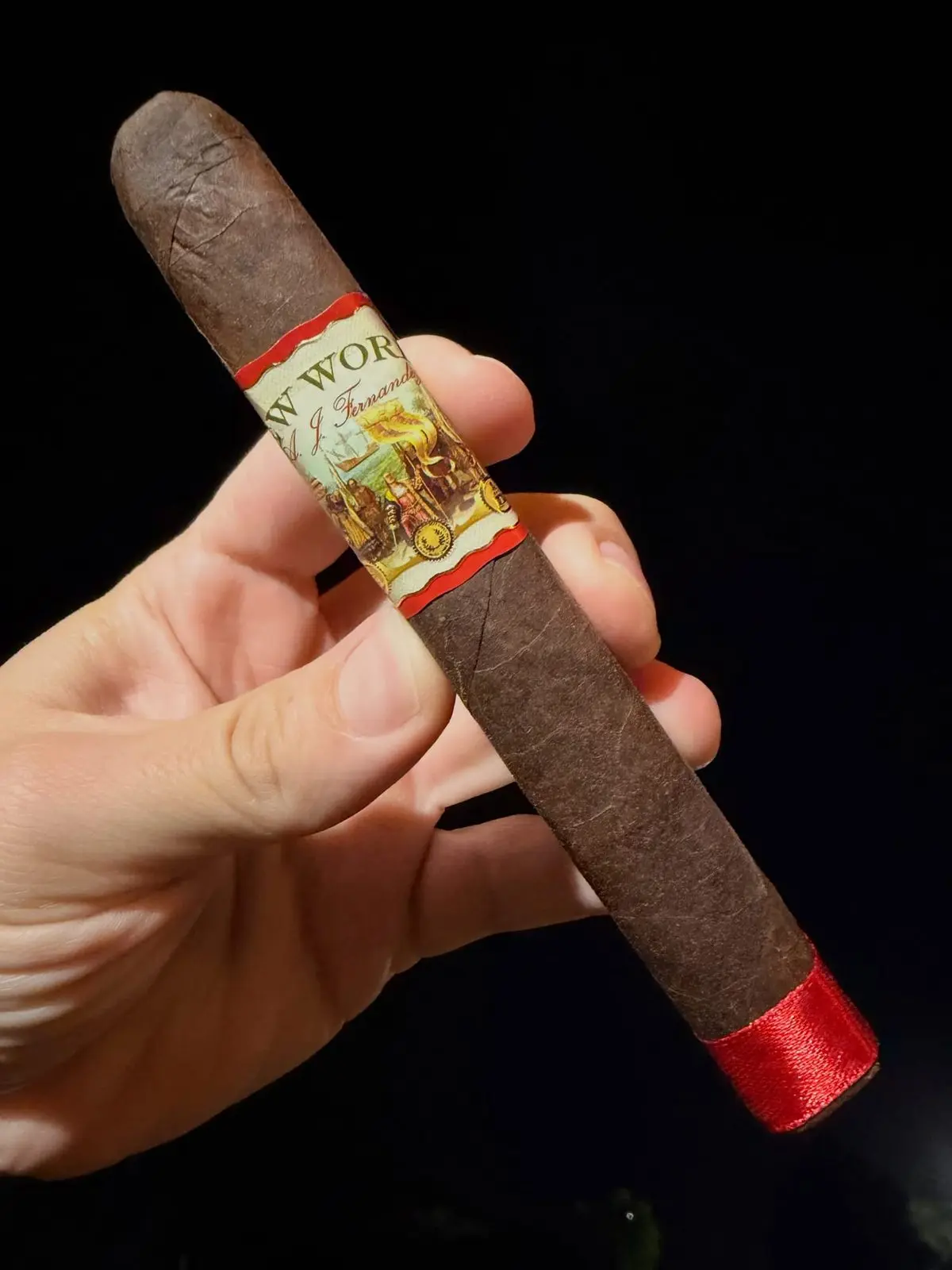
Plenty of aficionados have smoked an AJ Fernández without knowing it. His factory in Estelí makes cigars under his own name, but also for other brands, some of them among the most famous in the world.
San Luis, Pinar del Río
Abdel J. Fernández was born in the Pinar del Río region of Cuba, into a tobacco family from San Luis. His grandfather, or his great-grandfather depending on the source, created a brand in Cuba called San Lotano. His father, Ismael Fernández, also worked in the Cuban tobacco industry.
Nicaragua and the first clients
In the mid-1990s AJ left Cuba and settled in Nicaragua, where he worked with his relative Nestor Plasencia, of the family whose story we tell in this same series.
In the early 2000s he opened his own factory, Tabacalera AJ Fernández, in Estelí. He started in a run-down building with only six rollers. His first big client was Rocky Patel, for whom he made the Fusion line, and soon he was also working for Gurkha, Graycliff and other brands.
For Cigars International he created brands that became hugely popular, such as Man O’ War, Diesel and Ave Maria.
His own brands
Over time AJ began signing his own cigars. He revived the family name with San Lotano, created New World, whose name recalls the discovery of the Americas, and Enclave, a project he made with his father, Ismael.
His reputation grew to the point that the big houses behind Cuban brand names outside Cuba asked him to make cigars. According to several sources, he has worked with Altadis on versions of Montecristo, Romeo y Julieta and H. Upmann, and with General on a Hoyo de Monterrey.
Why it matters
AJ Fernández is one of the names that explain Nicaragua’s rise over the last two decades. His story links the Cuban tradition of San Luis with today’s Estelí, and shows how much of the modern cigar is made in factories that work for many brands at once.
The dates of his arrival in Nicaragua and of his factory’s opening vary between sources.