
Cigar Houses
H. Upmann: The Banker Who Became a Cigar Maker
A German banker came to Havana on business and stayed to make cigars. His brand survived a bankruptcy, the revolution and even an embargo.
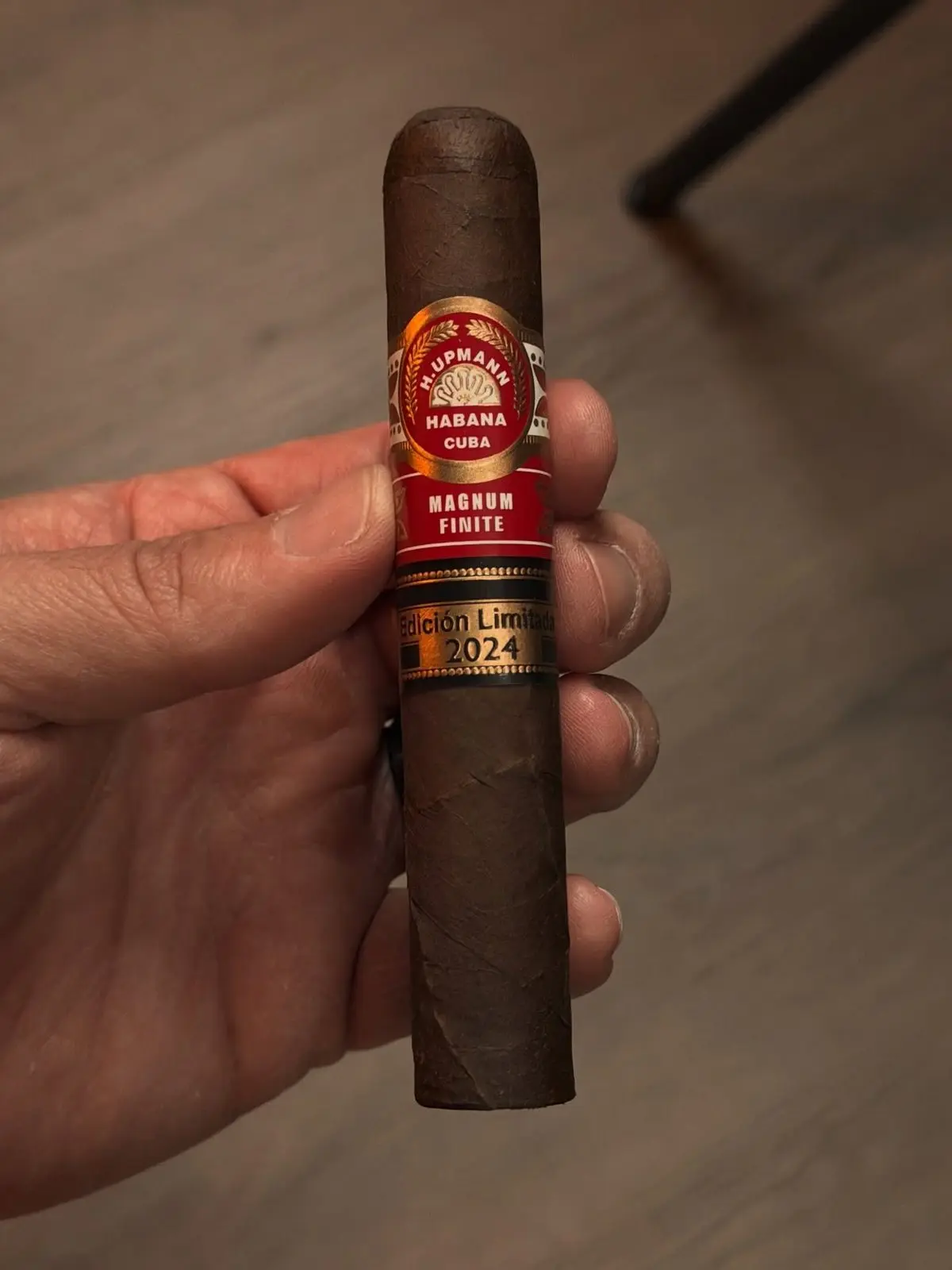
Most of the great Cuban brands were founded by cigar makers. H. Upmann was founded by a banker, and for years the bank and the cigars grew together.
From Bremen to Havana
Hermann Dietrich Upmann arrived in Havana in 1843 to handle business for a trading house from Bremen, Germany. The cigars he sent back to Europe were so popular that in 1844 he bought a factory on San Miguel Street and started making cigars under his name. At the same time he opened a bank that worked with tobacco growers and makers.
The bankruptcy
The bank was the brand’s downfall. According to the sources, the house speculated in currencies and Mexican oil using depositors’ money, and in 1922 both the bank and the factory went bankrupt.
That same year the British firm J. Frankau & Co., which sold H. Upmann in the United Kingdom, bought the brand and the factory at auction. It later sold them to Menéndez, García y Cía., the creators of Montecristo, who moved production of their own brand there. Most sources say that was in 1937; others say 1935.
Kennedy’s errand
H. Upmann has a place in one of the most famous stories of the embargo. According to Pierre Salinger, John F. Kennedy’s press secretary, the president asked him to find about a thousand Cuban cigars before signing the 1962 embargo. Salinger came back with 1,200, and only then did Kennedy sign. Salinger spoke of Petit Upmanns; other versions say they were Petit Coronas. The story rests mostly on his own account.
Two H. Upmanns
In 1960 the Cuban government nationalized the factory. In Cuba the brand carried on, handmade in Havana for Habanos S.A., and its Magnum sizes have led several limited editions.
Menéndez and García took the brand into exile, first to the Canary Islands and then to the Dominican Republic. There Altadis makes the non-Cuban H. Upmann, in La Romana.
Why it matters
H. Upmann shows that the Habano was an international business from very early on: a German banker, a British agent and a Spanish family all passed through the same brand. And its story is tied to Montecristo’s, which was made in its factory for decades.
Some dates in this story vary by source. We say so where they disagree.
The conversation
What do you think?
Share what you think about this story. Agreement and disagreement are both welcome.