

Cigar Houses
Romeo y Julieta: The Habano of Shakespeare and Churchill
A brand named after a tragedy, an owner who raced horses across Europe and a British prime minister who gave his name to a cigar size.
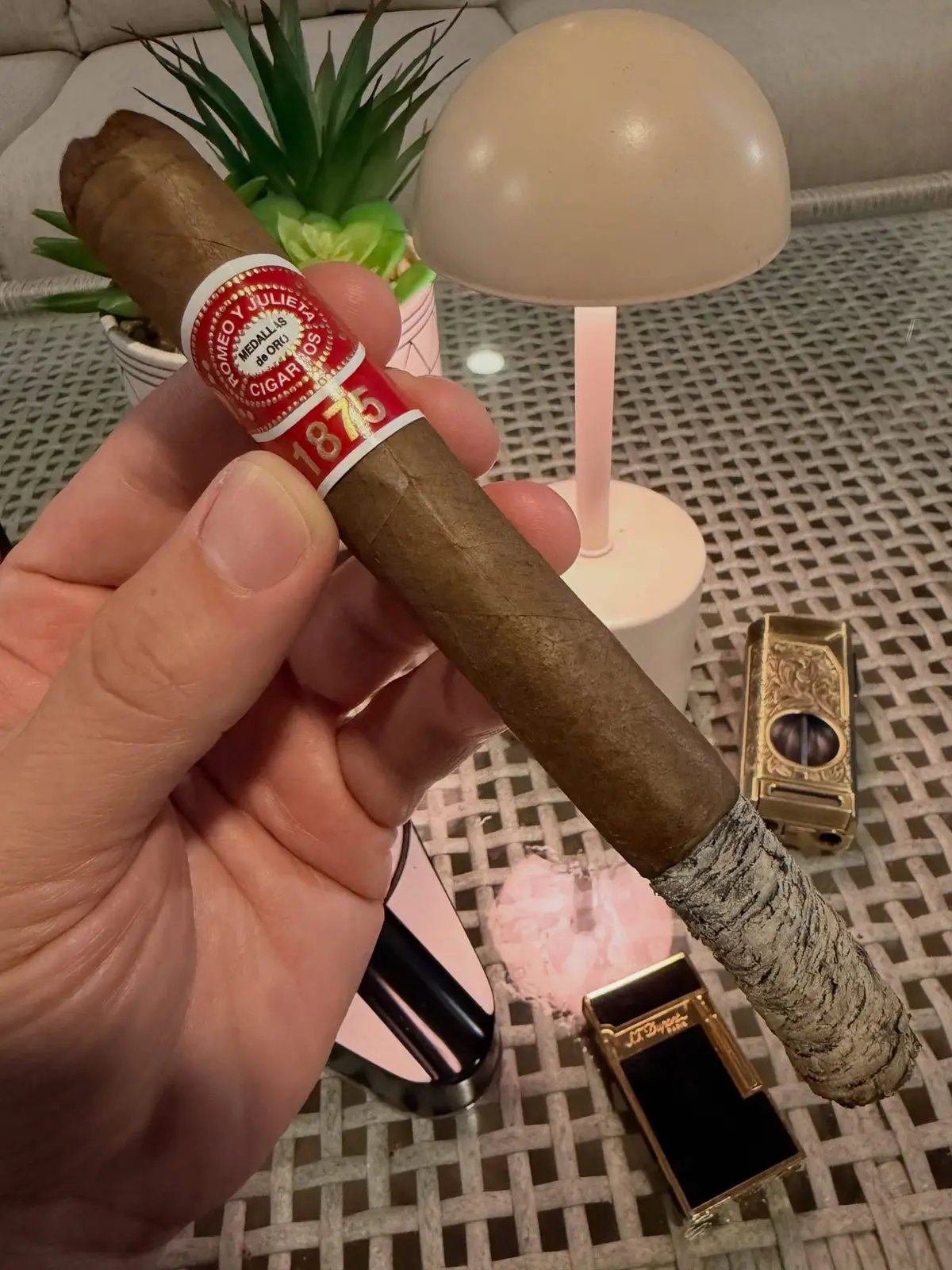
Few Habano brands have a name so well known outside the tobacco world. Romeo y Julieta took the title of Shakespeare’s play, and over the years it added another famous Englishman: Winston Churchill.
The founders
The brand was born in Havana in 1875, founded by Inocencio Álvarez and Manín García. That is the date the brand uses, although one study of its history argues it may have been 1873. It gained prestige in its early years, but it was a change of owner that made it famous.
Pepín Rodríguez
In 1903 the brand was bought by José “Pepín” Rodríguez Fernández, who had previously run the Cabañas factory in Havana. Some sources name the firm Rodríguez, Argüelles y Cía. Pepín was a great salesman: he traveled Europe with his racehorse, named Julieta, and became famous for making personalized bands for the important clients of his day.
Churchill
The house’s most famous smoker was Sir Winston Churchill. His name ended up on the bands and, above all, on the brand’s best-known size: the Churchill, 7 inches by 47 ring gauge. Today “churchill” is the name of that size at almost every brand in the world.
After the revolution
After the revolution, the Cuban government nationalized the brand, and today Habanos S.A. still makes and sells it from Cuba. As with other great houses, there is also a non-Cuban Romeo y Julieta, made by Altadis in La Romana, Dominican Republic, for the U.S. market. Lines such as the 1875 and the Capulet belong to that non-Cuban version.
Why it matters
Romeo y Julieta shows how marketing helped build the legend of the Habano. Pepín understood before anyone else that a cigar is also sold with stories, names and bands, and thanks to Churchill the brand gave its name to one of the most classic cigar sizes.
The founding date varies by source. We note it in the text.
The conversation
What do you think?
Share what you think about this story. Agreement and disagreement are both welcome.