

Cigar Houses
Partagás: The Factory Behind the Capitol
A Catalan founded one of the oldest living cigar brands in Havana. Its story includes a murder, a great tobacco family and an exile.
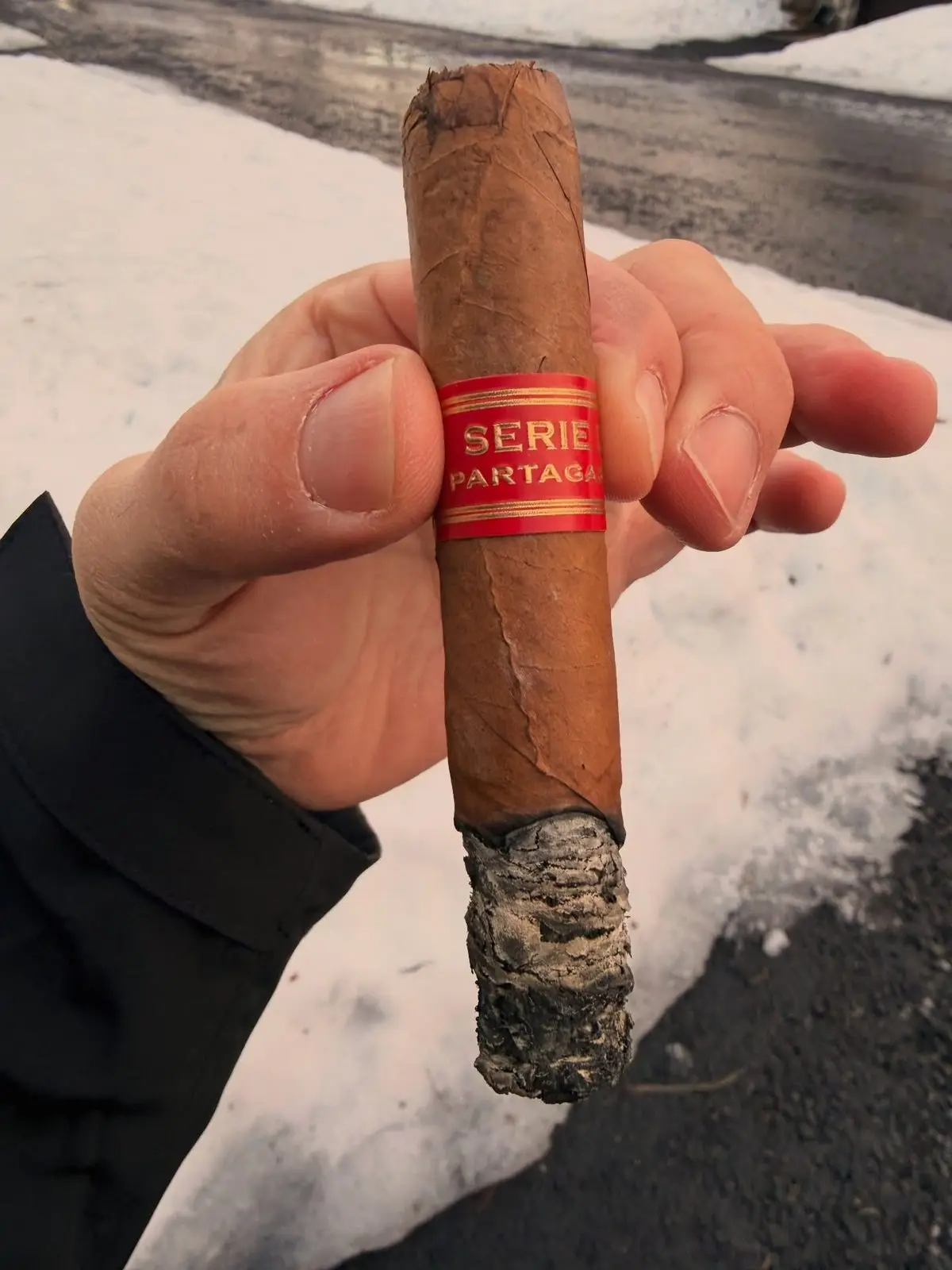
Partagás is one of the oldest cigar brands still being made. Its factory, in the heart of Havana, became one of the best known in Cuba.
A Catalan in Havana
Jaime Partagás y Ravell was born in Arenys de Mar, in Catalonia, and emigrated to Cuba. In 1845 he founded his own factory in Havana. In time the house settled on Industria Street, right behind the Capitol, the building many visitors picture when they think of Partagás.
His end was tragic. In 1868 Jaime Partagás died violently in the countryside, in the Vuelta Abajo tobacco region. Sources say he was shot and died soon after, and rumors spoke of jealousy and business disputes. Some sources give other dates for the attack.
From the Partagás to the Cifuentes
His son José took over the business but ended up selling it to banker José A. Bances. Around 1900 (Holt’s says 1899) Ramón Cifuentes Llano, a Spanish tobacco man, joined as a partner and soon took over the company.
Under the Cifuentes family, Partagás had its best years. It added brands such as Ramón Allones, Bolívar and La Gloria Cubana, and between 1940 and 1958 it became one of the best-selling brands in the world.
Revolution and exile
In 1960 the Cuban government seized the factory. Ramón Cifuentes Toriello, the son, refused to run the new state monopoly and emigrated to the United States. There he joined General Cigar, the same company behind Macanudo, which in 1978 relaunched a Partagás for the U.S. market with tobacco from outside Cuba. On the Dominican Partagás, the word “Habana” on the band was replaced with “1845”. Years later, in 1994, Benji Menéndez, son of Montecristo’s founder, took charge of it.
In Cuba the brand carried on under Habanos S.A., and its most famous size is the Serie D No. 4, a robusto that became the emblem of the house.
Why it matters
Partagás brings together almost the whole history of the Habano: the Spanish immigrant who founds a brand, the great families who grow it, and the revolution and exile that split it in two. Today there is a Cuban Partagás and a Dominican one, and both tell part of the same story.
Some dates from the early years vary by source. We say so where they disagree.
The conversation
What do you think?
Share what you think about this story. Agreement and disagreement are both welcome.