
Cigar Houses
Padrón: A Hammer, $600 and the Cigar Aficionado Record
José Orlando Padrón left Cuba with nothing and founded his company in Miami in 1964. He survived bombs, boycotts and an embargo to create some of the most awarded cigars in the world.

Logos belong to their brands and appear here only to identify them.
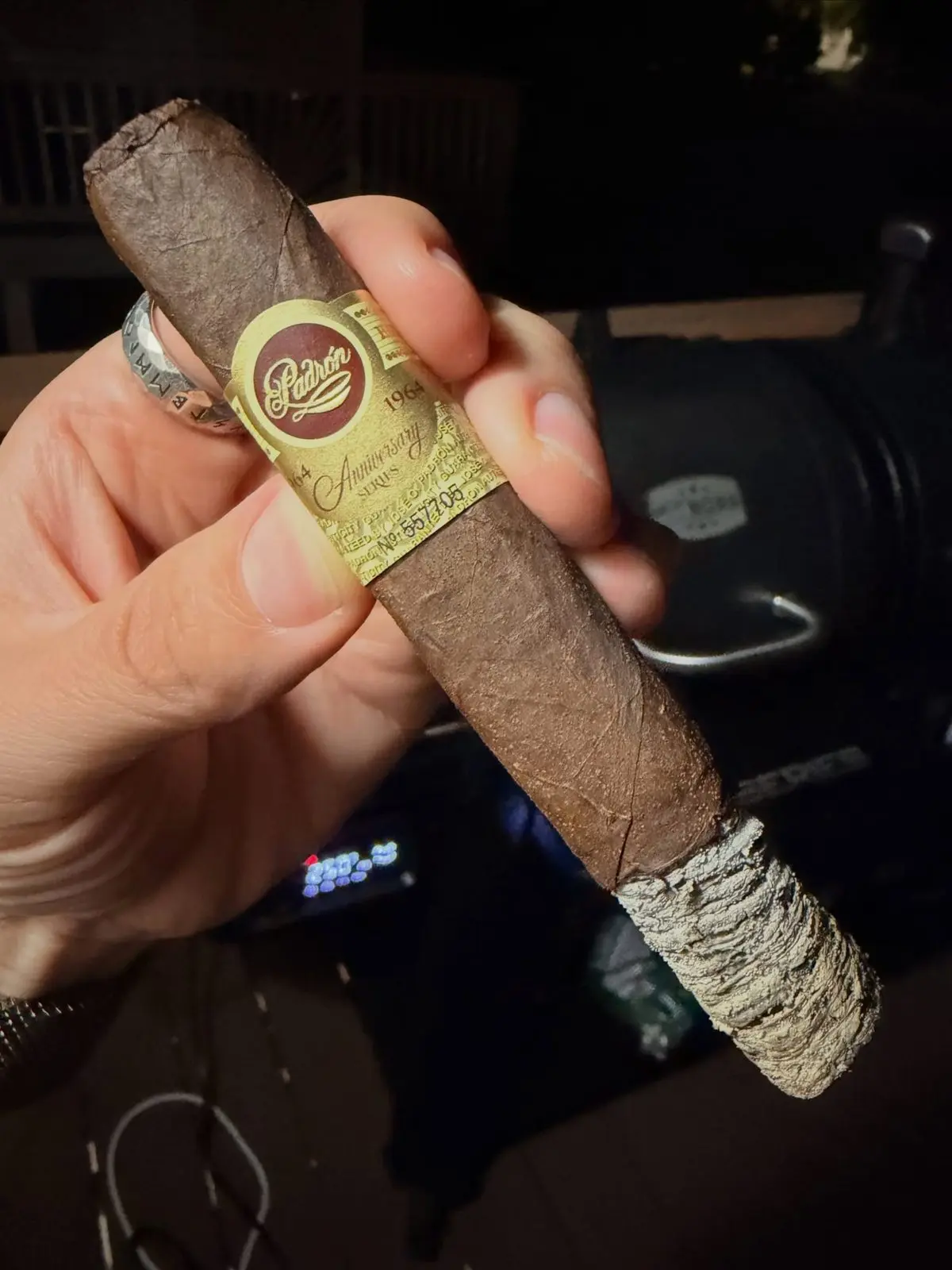
Few brands command as much respect as Padrón. Its reputation was built on a simple rule: its own tobacco, well aged, and a family that never let go of a single step.
A hammer and $600
José Orlando Padrón was born in Cuba in 1926 into a family of tobacco growers. The company takes its official name, Piloto Cigars, from a family factory in the town of Piloto, in Pinar del Río.
After leaving Cuba, he arrived in Miami with nothing. As the family tells it, he worked as a carpenter with a small hammer, the famous martillito, until he had saved $600. With that money he founded his company in Miami on September 8, 1964.
Estelí and the hard years
In 1970 Padrón moved production to Estelí, Nicaragua, when almost nobody made cigars there. José Orlando himself has listed the blows that followed: the burning of his Estelí factory, boycotts of his products in Miami, bombs at his Miami facility, war, revolution and even a kidnapping attempt in Honduras.
During the Sandinista revolution he kept his Estelí factory running while the others were closed or confiscated. But from 1985 to 1990 the US embargo on Nicaragua forced him to close it. The family returned as soon as it could, and Estelí is home today.
The 1964 and the 1926
In 1994, to mark the company’s 30th year, his son Jorge Padrón proposed a more expensive cigar made with aged tobacco. His father agreed, and the 1964 Anniversary Series was born, carrying the year of the founding.
In 2002 came the 1926 Serie, for José Orlando’s 75th birthday, carrying the year of his birth. Both lines are recognizable at once by their box-pressed shape and simple band.
The record
Padrón has won Cigar Aficionado’s Cigar of the Year more times than any other brand: four times, a record. The fourth came in 2021 with the 1964 Anniversary Series Torpedo, the first time a cigar from that series took the title.
José Orlando Padrón died in December 2017, at 91, after leading his company for 53 years. Today his son Jorge is its president.
Why it matters
Padrón proves that patience can be smoked. Its cigars cost what they cost because the tobacco waited years before reaching the box. And its story is that of many Cuban exiles who carried their craft to Central America and made it grow.