

Cigar Houses
Oliva: From 1886 Vuelta Abajo to Cigar of the Year
Four generations of Cuban growers who, once in Nicaragua, created the Serie V and won Cigar Aficionado's top award with a cigar named for their patriarch.

Logos belong to their brands and appear here only to identify them.
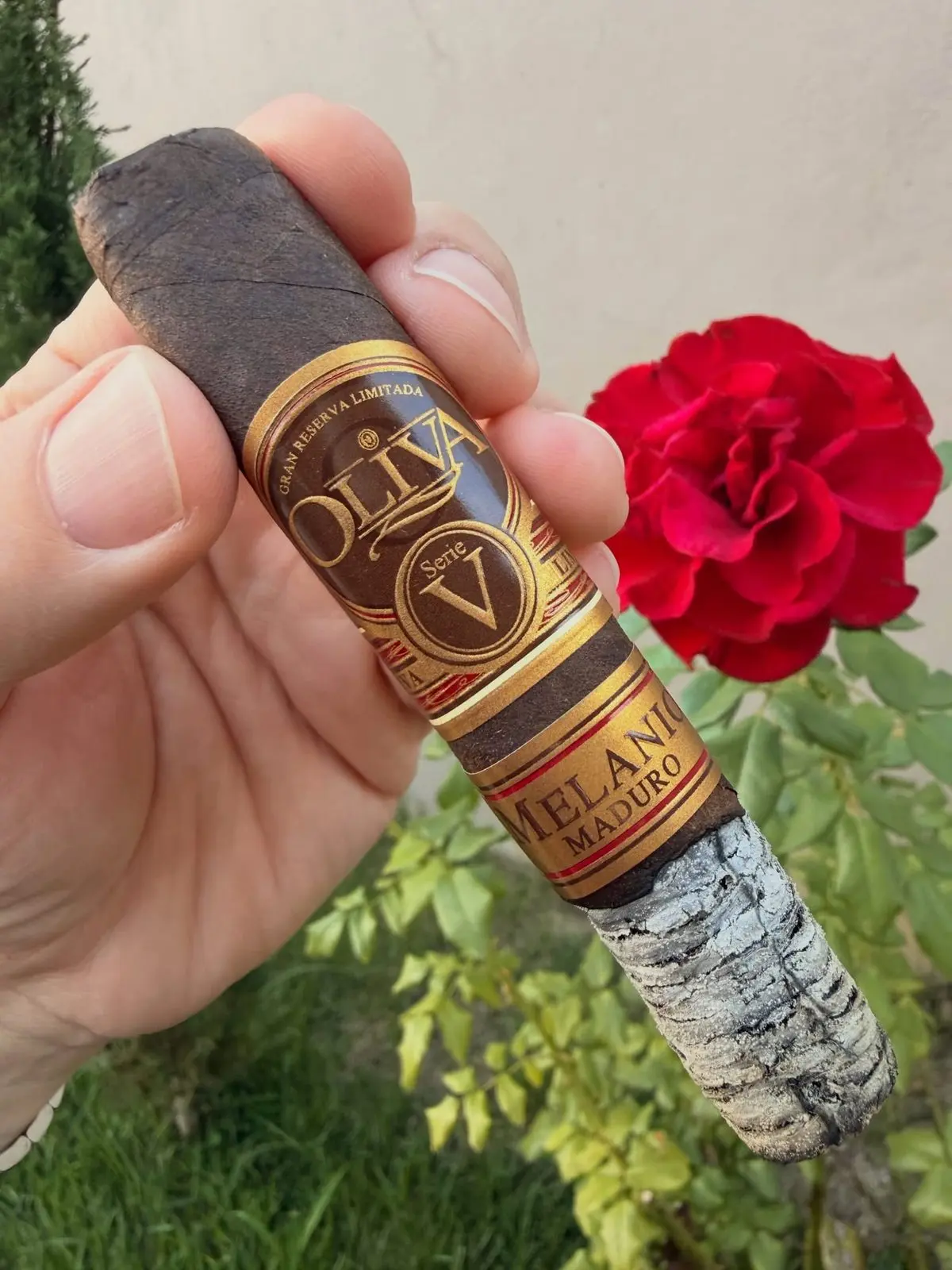
If one family name is tied to Nicaraguan tobacco today, Oliva is near the top of the list. Its story, though, begins in Cuba almost 140 years ago.
Cuba, 1886
Melanio Oliva began growing tobacco in Pinar del Río, Cuba, in 1886. His descendants stayed in the fields for generations. Sources disagree on who took over after him, but they agree the family worked tobacco without a break until the 1959 revolution.
The long road to Nicaragua
Gilberto Oliva Sr., a descendant of Melanio, left Cuba in the 1960s. He went through Spain and reached Nicaragua, where the 1979 Sandinista revolution forced him to move again, first to Honduras.
In 1995 Gilberto and his son, Gilberto Jr., created a cigar called Gilberto Oliva, made in the Plasencia family’s factory. A year later they decided to open their own factory and shortened the name to Oliva. Today the house works in Estelí, with its own tobacco farms in Nicaragua.
The Serie V and the Melanio
The cigar that put Oliva on aficionados’ maps arrived in 2006: the Serie V, an intense blend built around Jalapa ligero.
In 2014 the Serie V Melanio, named for the patriarch, won Cigar Aficionado’s Cigar of the Year, the industry’s highest honor. It confirmed that a Cuban family name could reach the top with Nicaraguan tobacco.
A new chapter
In 2016 Oliva was sold to the Belgian company J. Cortès. The Oliva family remains closely involved in making the cigars, and lines like the Serie V, the Serie V Melanio and the Connecticut Reserve are still among aficionados’ favorites.
Why it matters
Oliva is the story of a family of growers that took more than a century to sign its own cigar, and reached the very top when it did. Few houses offer so much quality at such a reasonable price.
Some details of the family history vary between sources.